
Create a Wallet
Understand what a new wallet creates and which secrets must be protected before receiving assets.
Read guide →Use imtoken to understand multi-chain asset management, network selection, sending and receiving, DApp connections, token approvals, blockchain concepts, and wallet security. Every action should be verified against the intended network, address, request origin, and permission scope.
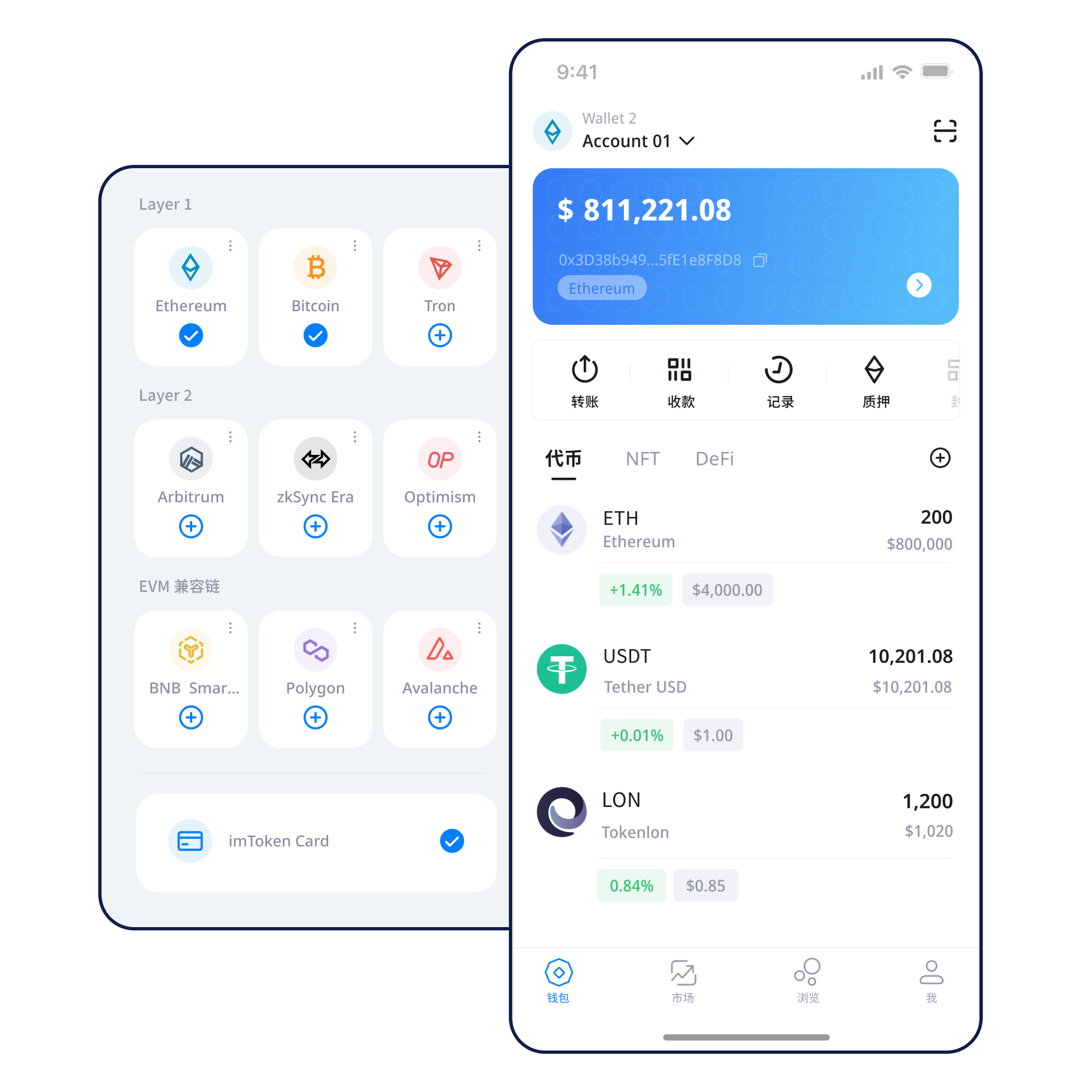
Move from setup to transfers and Web3 with clear checks at each step.
Understand what a new wallet creates and which secrets must be protected before receiving assets.
Read guide →Build an offline backup habit and keep seed phrases away from screenshots, cloud notes and messages.
Read guide →Verify the receiving address and network before another party sends assets to your wallet.
Read guide →Check destination, network, amount, gas and transaction details before confirming a transfer.
Read guide →Verify the domain, account request, signature content and approval scope before continuing.
Read guide →Assets, networks, transactions, Web3 and security are related parts of one wallet workflow.
Understand how assets are separated by network, why addresses must be checked in context, and how confirmations affect final transaction state.
Review assets, manage networks, inspect transaction history and prepare DApp actions from a mobile wallet interface.
Check receiving addresses, network selection, amount, gas and transaction hash throughout the transfer lifecycle.
Use browser connections carefully: verify the site, review permission requests and disconnect sessions that are no longer needed.
Keep seed phrases and private keys under your own control, prefer offline backups, and review signatures and token approvals before confirming.
Switch between network topics without hiding the underlying content when scripts are unavailable.
Different networks maintain independent state. Verify the network before reading balances or moving assets.
Learn more →Nodes, blocks, consensus and explorers provide the foundation for checking transaction state.
Learn more →
EVM networks share familiar contract patterns while maintaining separate gas and asset state.
Learn more →
Layer 2 systems extend execution while cross-layer transfers may use bridges and waiting periods.
Learn more →
Fees, mempool conditions and block confirmation affect how a transaction progresses.
Learn more →Each step adds a verification habit before the next action.
Start from the official download entry and avoid installation packages from unknown sources.
Understand the difference between creating and importing, and never submit a seed phrase or private key to a webpage.
Keep the seed phrase offline. Do not send it to anyone or rely only on screenshots or cloud notes.
Before receiving or sending, check the network name, address context and the network supported by the other party.
Review the address, amount, network and gas before confirmation, using a low-risk check when appropriate.
Use the transaction hash to inspect on-chain state and periodically review DApp approvals that are no longer needed.
Connecting a wallet does not mean every signature or approval should be accepted. Verify the domain, account, request purpose, contract target and permission scope before moving forward.
Keep seed phrases and private keys under your own control. Do not send them, screenshots of them, or verification codes to anyone. Before a transfer, verify the address, network and amount. Before a DApp signature, verify the source and requested action. Third-party DApps and smart contracts can introduce technical or permission risks, so approvals should be limited to what is actually needed and reviewed again when no longer in use.
Visit Security Center →Start with addresses, seed phrases, private keys, networks, gas, transaction hashes, DApps and approvals. These concepts explain most of the information a wallet asks you to review.
Read the beginner guide →See how blocks, nodes and confirmations shape transaction state.
Understand gas, contract execution and token approvals.
Learn how cross-layer transfers and settlement differ from a single-network transfer.
Review approval targets, allowance scope and revocation habits.
Use concise definitions for common wallet and network terms.
Understand the mechanism and risks before evaluating any staking service.
Ethereum proof of stake uses validators to participate in consensus. Reward sources, validator state, withdrawals and exits depend on protocol conditions and network queues.
Learn staking basics →Staking does not guarantee returns. Rewards can change, exits can involve waiting, validators may face penalties, smart contracts can have technical risk, and digital asset prices can fluctuate.
Understand validators →Notices are organized by purpose without invented publication dates.
Wallet task navigation refined for clearer learning paths.
Review network selection before moving assets between ecosystems.
Recheck active token approvals and disconnect unused DApp sessions.
Staking materials emphasize variable rewards, exits and validator risk.
Academy content links wallet actions to network and transaction concepts.
Short answers to core wallet, network, Web3 and security questions.
Review the download information and proceed only when you choose to.